An Arnold Palmer for your Allergies
Written by Dr. Xamantha Curameng
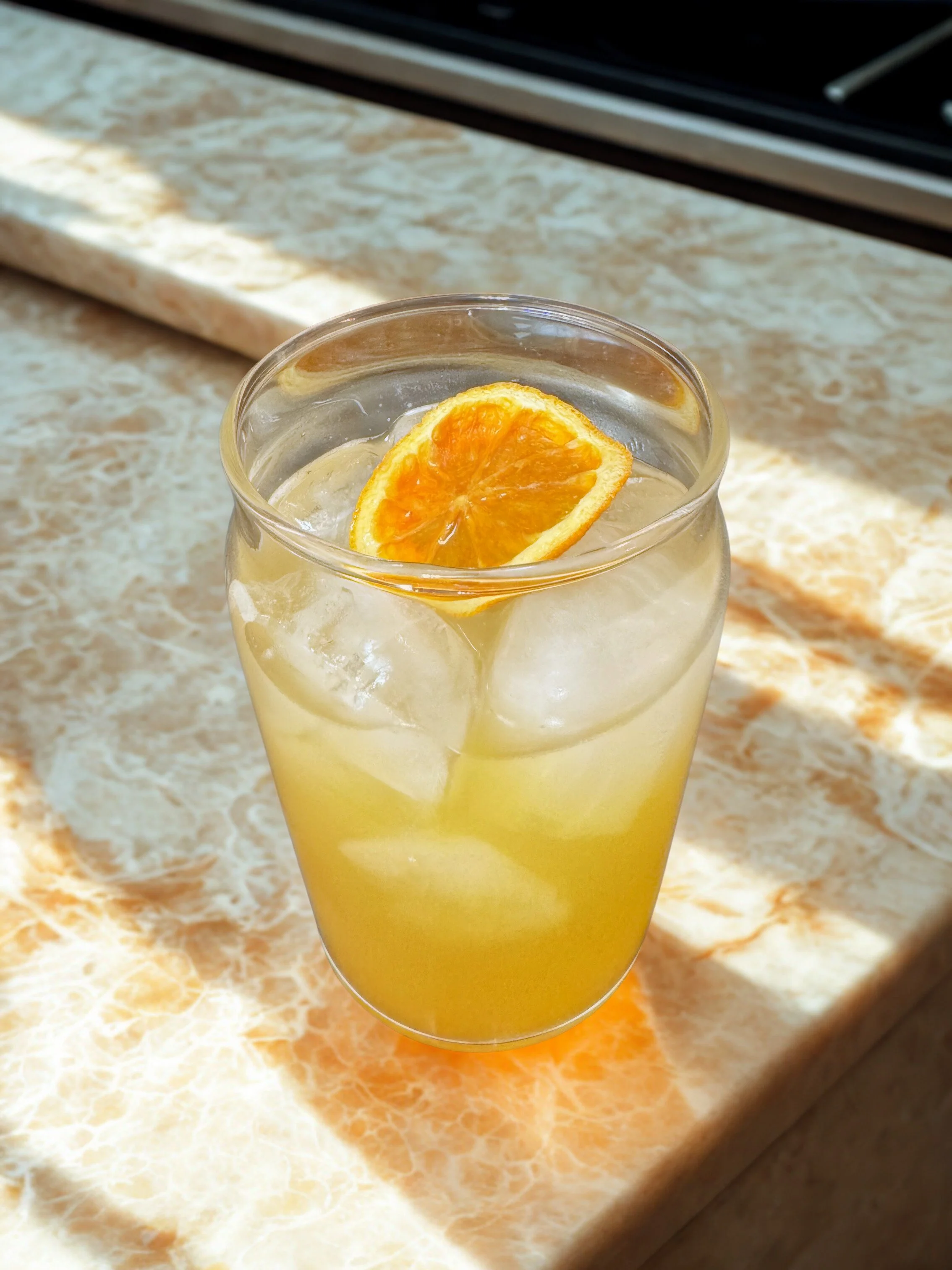
Allergies are no fun.
Neither is the treatment for them. From taking oral medications, spraying steroids and saline in your nose, applying eye drops in your eyes, or even getting weekly to monthly injections, allergy management can be tedious.
Is there at least one strategy that is actually enjoyable? There should be, which is I invented a recipe for a drink I enjoy all allergy season long to make the itching and sneezy and all of it a little more bearable. Check out this twist on the classic Arnold Palmer beverage, perhaps we should call it the “Allergy Palmer.”
The Key Ingredients for Allergy Relief
Nettle
Urtica dioica, or more commonly known as stinging nettle, has been used for its nutritive and inflammation modulating properties. Fresh nettle leaf can produce allergic type reactions like redness, itching and swelling, due to the fine hairs on the plant that sting (hence, the name stinging nettle). However, once thoroughly processed, nettle can possibly reduce inflammation associated with allergies1.
Lemons
Lemons are high in antioxidants and Vitamin C, both of which are helpful for allergies. Antioxidants are helpful in supporting the immune system and Vitamin C helps stabilize our histamine response by breaking down histamine and stabilizing mast cells2.
Raw Local Honey
Local raw honey is often recommended as a natural approach to seasonal allergies.
It may expose the immune system to small amounts of local pollen, potentially helping the body build tolerance over time. As a reminder, raw honey should not be given to infants <1 years old due to risk of botulism.
Disclaimer: This recipe is meant to be supportive and not replace allergy medications for severe allergic symptoms.
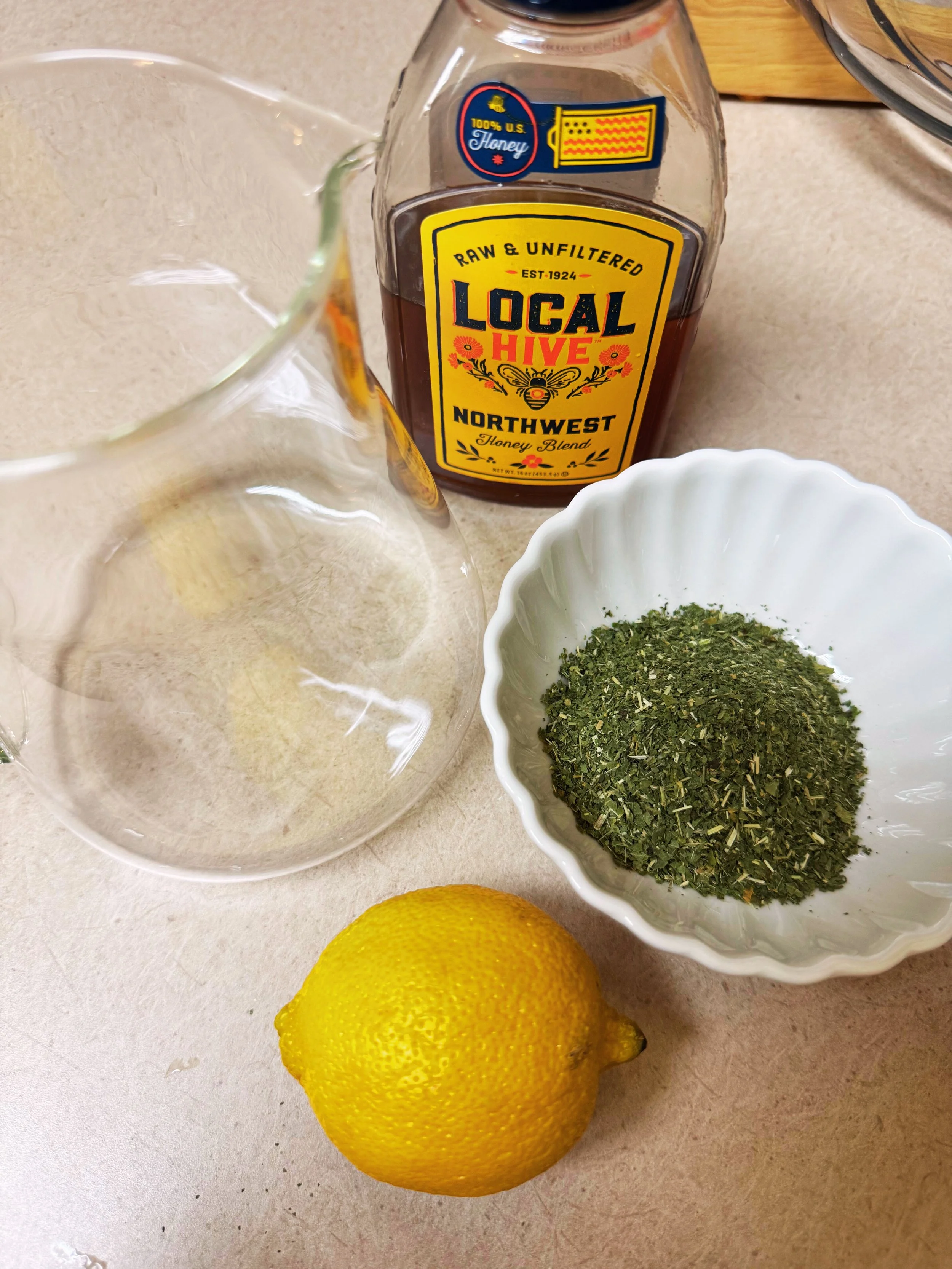
Ingredients for an Allergy Palmer: nettle, lemon, and local raw honey.
Nettle Arnold Palmer
Quick Recipe Overview
Prep Time: 10 minutes
Cook Time: 15 minutes
Total Time: 25 minutes
Servings: 2
Dietary Tags: Gluten-Free, Dairy-Free, Vegetarian
Ingredients
2 tbsp dried nettle leaf
16-20 oz water
2 tbsp lemon juice (juice of one lemon)
Raw local honey to taste
Ice cubes
Instructions
Prepare nettle infusion. Bring water to a boil. Once water comes to a boil, remove from heat. Add in nettle leaf and steep for 5-10 minutes.
Strain nettle from water, pressing out as much liquid as you can from the herb.
Add lemon juice and honey to the nettle infusion and stir until well dissolved.
Add ice cubes, stir or shake, and enjoy!
Tips
You can always adjust lemon juice and honey to your preferred taste.
While you can use other sweeteners, if using to support allergies, raw local honey is preferred.
Let tea cool before adding ice cubes to prevent overly diluting.
Variations
While nettle is delicious as a hot infusion as prepared above, a cold infusion extracts more mineral content. A cold infusion does take longer, but the results are worth it! Below is a variation of the nettle arnold palmer prepared with an overnight infusion
Nettle Arnold Palmer
Cold Infusion
Instructions (Makes 4 servings)
Prepare a large jar or pitcher, enough to hold at least 4 cups of water.
Add 4 tbsp of dried nettle to jar. Pour 4 cups of water into the jar and cover. Let steep overnight for at least 12 hours, but the longer the better.
Strain out the nettle and press out as much liquid from the nettle as possible.
Add honey and ½ cup lemon juice and stir until well incorporated.
Add ice cubes if preferred.
Why you’ll love this recipe
This recipe is a simple, nutrient-packed option that supports our body’s response to allergies.
It draws inspiration from a well known refreshing drink, the Arnold Palmer.
It tastes delicious!
References
Roschek B Jr, Fink RC, McMichael M, Alberte RS. Nettle extract (Urtica dioica) affects key receptors and enzymes associated with allergic rhinitis. Phytother Res. 2009;23(7):920-926. doi:10.1002/ptr.2763
Ghalibaf MHE, Kianian F, Beigoli S, et al. The effects of vitamin C on respiratory, allergic and immunological diseases: an experimental and clinical-based review. Inflammopharmacology. 2023;31(2):653-672. doi:10.1007/s10787-023-01169-1
Learn more with Dr. Curameng.